Moving furniture in Boston is a unique experience due to city-specific challenges such as tight corridors, historic buildings, variable weather, and seasonal logistics. Whether you’re relocating your home in Back Bay or transitioning your office in Cambridge, protective strategies are essential to ensure your home and prized belongings remain intact. This guide offers practical advice for Boston residents, with special focus on how furniture moving, residential moving services, and packing services from local professionals can simplify the process.
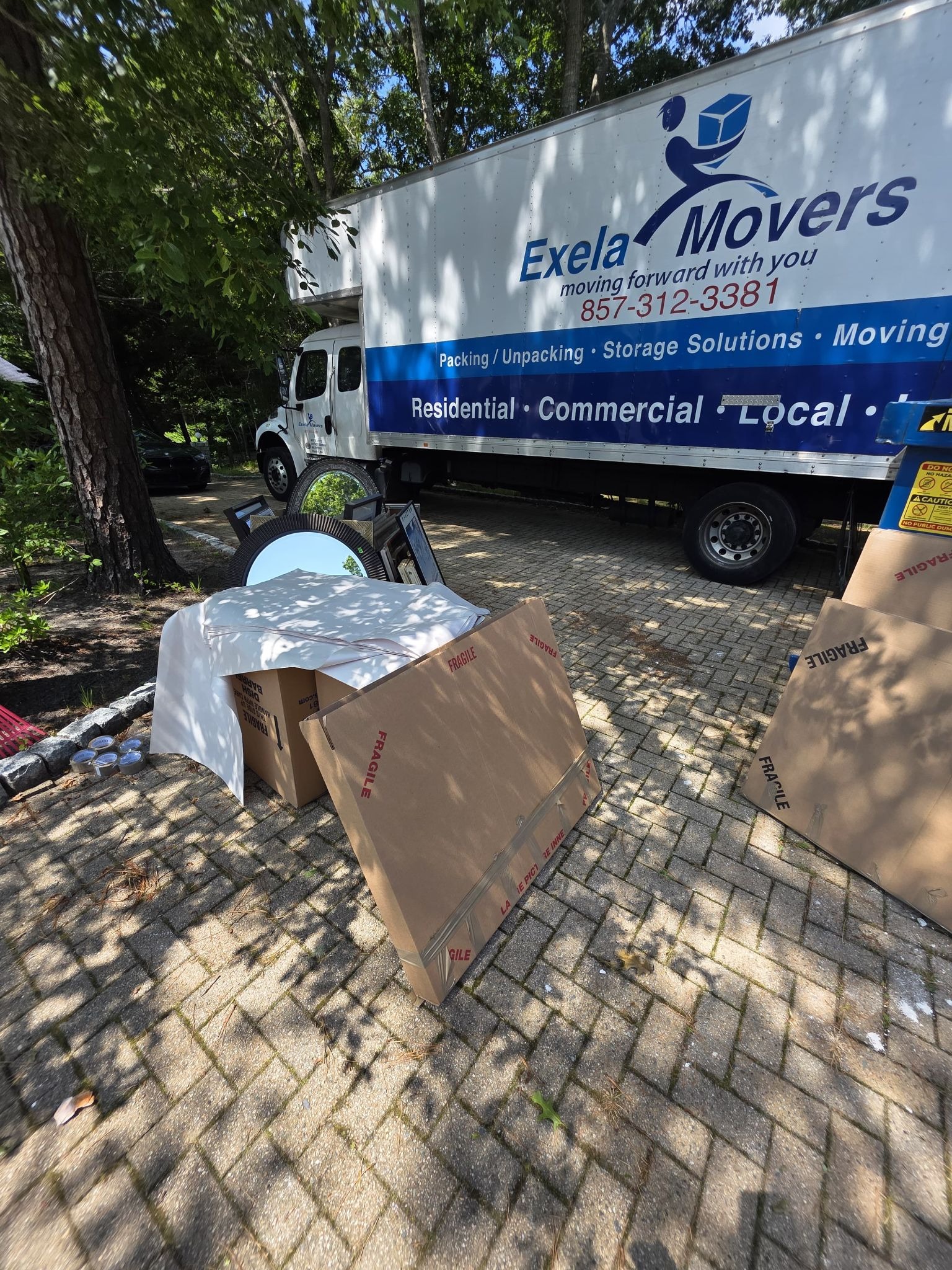
Boston’s urban environment features a mix of brownstones, multi-floor walk-ups, and modern condos. These properties often come with narrow staircases, low ceilings, and limited parking, all of which add layers of complexity to a move. In the winter months, icy walkways increase the risk of slips, while summer heat can put extra strain on moving personnel and fragile items. These factors make careful planning and the right resources crucial for successful furniture moving in the area.
One of the most common issues during a furniture move is accidental damage to floors, walls, and door frames. To prevent costly repairs, you should:
Use protective padding such as furniture blankets and corner guards.
Lay down floor runners, especially during snowy or rainy Boston weather.
Employ stretch wrap for bulky or oddly shaped items to keep them secure.
Remove doors if necessary to create larger passageways, especially in older homes.
Professionals offering packing services often include these protective measures as part of their service, significantly reducing your stress on moving day.
Boston homes are frequently filled with heirloom pieces and modern furniture alike. Protecting these valuables begins with quality packing materials. Sturdy boxes, bubble wrap, and custom crating for antiques or fragile items add layers of security. Be sure to:
Dismantle larger furniture before transport, storing screws and fittings in labeled bags.
Double-wrap fragile items and use cushioning materials to fill empty box spaces.
Label boxes by room and “fragile” status for proper handling and organization.
Seek out residential moving teams trained to move delicate and high-value items, as their experience can help avoid potential mishaps.
Timing your move can make all the difference in Boston. Early mornings or mid-week moves may encounter less traffic and fewer parking challenges. If moving in winter, clear all pathways of ice and snow in advance and coordinate with your building’s management regarding elevator reservations or loading dock access.
Leverage local resources, such as prearranging temporary parking permits with the city, to ensure your moving vehicle can be as close as possible for loading and unloading. Local movers are well-versed in these logistics and can help you navigate them efficiently.
DIY moves often lead to damaged walls, scratched floors, and broken furniture, particularly in challenging Boston environments. Local professional movers are equipped with the right equipment and have hands-on experience navigating Boston’s narrow and historical architecture. Utilizing a team accredited in furniture moving helps you avoid the physical toll and potential liabilities of moving large or heavy items yourself.
If you’re planning a move in Boston, MA, don’t leave your prized furniture and home to chance. Exela Movers specializes in secure and efficient furniture moving, residential moving services, and packing services, ensuring your new start is as smooth as possible. Contact our local team at (857) 312-3381 or fill out our online form to get a personalized quote and learn how our services can protect your home and belongings during your Boston move.

